Home › Commercial Pool Enclosures
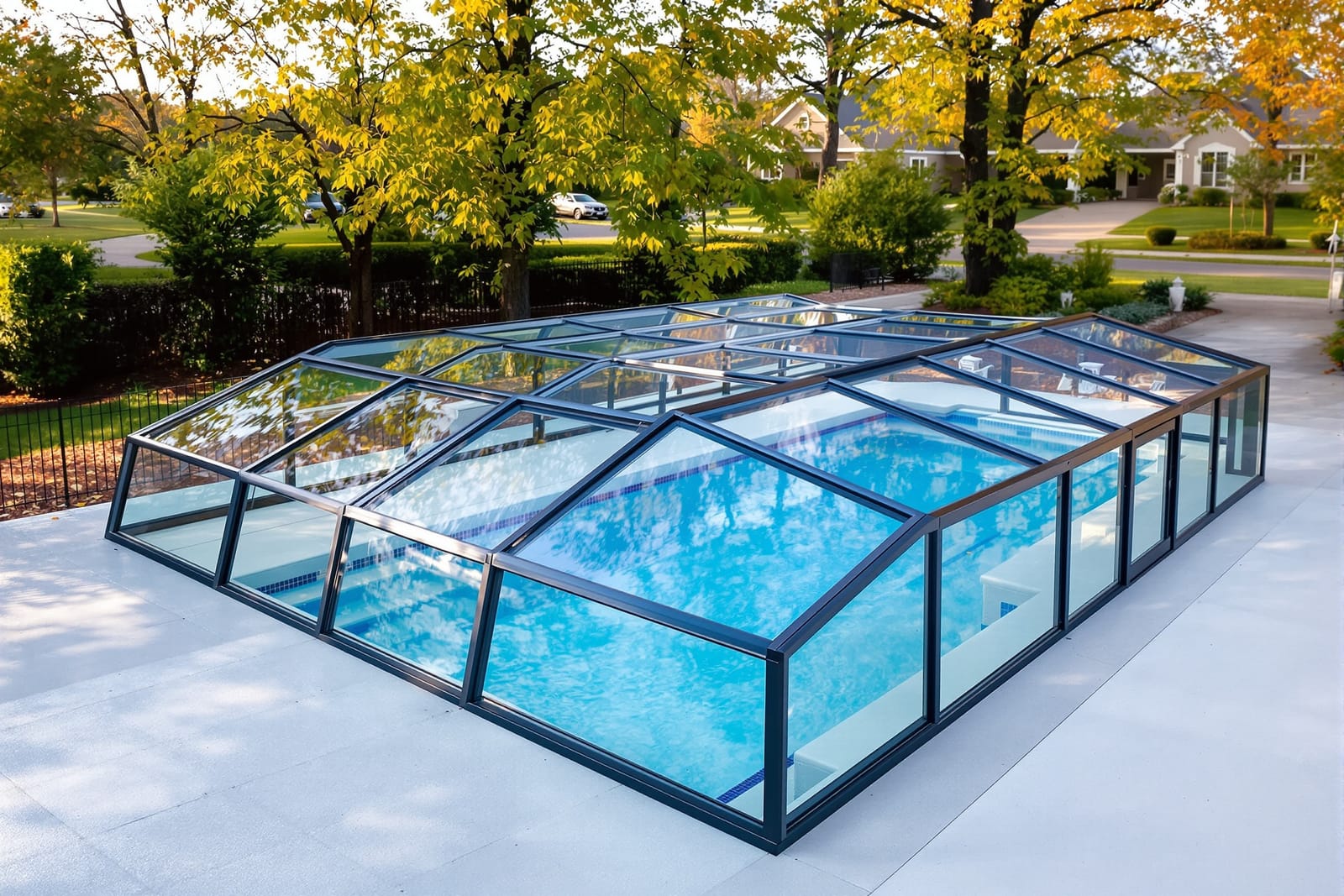
Miami Screening designs and installs commercial pool enclosures in Miami, FL for hotels, resorts, and community pools. We engineer large scale screen structures that meet code, protect swimmers from insects and debris, and create a clean, comfortable environment that is easy to maintain.
Miami Screening provides professional commercial pool enclosure throughout Miami, FL, Florida and the surrounding area. Our licensed, insured crew delivers safe, clean, on-time work with a free estimate before anything begins. Call (786) 685-4217 or request your free quote.
Commercial pool enclosure expertise for Miami properties
Miami Screening designs and installs commercial pool enclosures that are built for South Florida conditions and for the specific way your property operates. Whether you manage a hotel in Miami Beach, a condo association in Brickell, or a municipal pool in Coral Gables, we focus on durability, safety, and clean lines that match your architecture instead of using one size fits all kits.
In Miami, the combination of salt air, intense UV, high winds, and year round use puts unique pressure on commercial pool structures. Our team accounts for those realities from the start, selecting heavier gauge aluminum, corrosion resistant fasteners, and screen types that stand up to constant sun and coastal moisture. We also plan for code inspections, ADA access, and the guest traffic patterns that matter at commercial pools, not just backyard use.
How we design your commercial pool enclosure
Every commercial pool enclosure we build starts with a site assessment that looks beyond measurements. Miami Screening evaluates wind exposure, existing building tie in points, drainage, and how guests move between the pool, lobby, and amenities. For coastal or rooftop pools, we review building engineering requirements and coordinate with your property manager or engineer as needed.
During design, we create a layout that addresses the real way your pool is used. For a resort with heavy towel cart traffic, that may mean wider door openings and low threshold options. For a condominium, we often integrate self closing gates and keyed access to control non resident entry. We also account for maintenance access for pool service vendors and equipment changes, so your staff does not have to disassemble panels just to move a heater or filter.
You will see drawings that show enclosure height, roof style, door locations, and how the structure will attach to existing buildings or stand alone. We review finish colors, screen types, and trim details so the enclosure looks like part of the original property, not an afterthought.
Material and screen options that work in Miami
For commercial pool enclosures in Miami, material decisions have a direct impact on lifespan and maintenance. Miami Screening primarily uses marine grade aluminum framing with baked on powder coat finishes, usually in white, bronze, or custom colors to match existing railings. In coastal areas or on high rise decks, we recommend upgraded coatings and stainless or coated fasteners to limit corrosion from salt spray.
Screen selection depends on your priorities. Standard insect screen works for many inland properties, but most commercial clients choose upgraded options. Polyester or vinyl coated polyester screens provide better tear resistance where kids play with balls or floats. Florida glass style laminated screens can be used around lower walls to block debris from landscaping or neighboring properties. For pools that must minimize leaf and seed intrusion from nearby trees, we specify tighter weave materials, and for properties that care about guest comfort, we balance airflow with shade and privacy.
We also offer screen combinations within one enclosure. For example, an oceanfront hotel might use stronger, small mesh screen on the windward side to reduce driving rain intrusion, with more open mesh on other faces to improve airflow and reduce humidity buildup under the roof.
Permits, code compliance, and safety requirements
Commercial pool enclosures in Miami are not handled like simple residential projects. Every job requires careful compliance with the Florida Building Code, Miami Dade wind design requirements, and relevant pool safety and egress rules. Miami Screening manages the permitting process on your behalf, preparing engineered drawings, wind load calculations, and product approvals for review by the municipality or county.
We focus on gate hardware and life safety from the beginning. Commercial pool gates must self close and self latch at proper heights, and must not compromise emergency exit routes. For some hotels and clubs, we coordinate the enclosure plan with existing fire exits and alarm systems, and we design doors that accommodate access control or key card systems without voiding code compliance. We also pay attention to pool equipment ventilation and chemical storage rules so the new enclosure does not create trapped fumes or code violations around chlorinators or heaters.
Because inspectors in Miami are strict about attachment methods and uplift resistance, we use structural anchors and ledger details that meet or exceed plan specifications. This reduces the chance of costly re inspections and gives you reliable performance in storm season.
Installation process and project scheduling
A successful commercial pool enclosure project is as much about timing and disruption control as it is about the structure itself. Miami Screening works with property managers to schedule work phases around occupancy and pool hours. For hotels and resorts, we can often stage materials and perform the loudest work during lower occupancy midweek periods or morning windows before peak guest use.
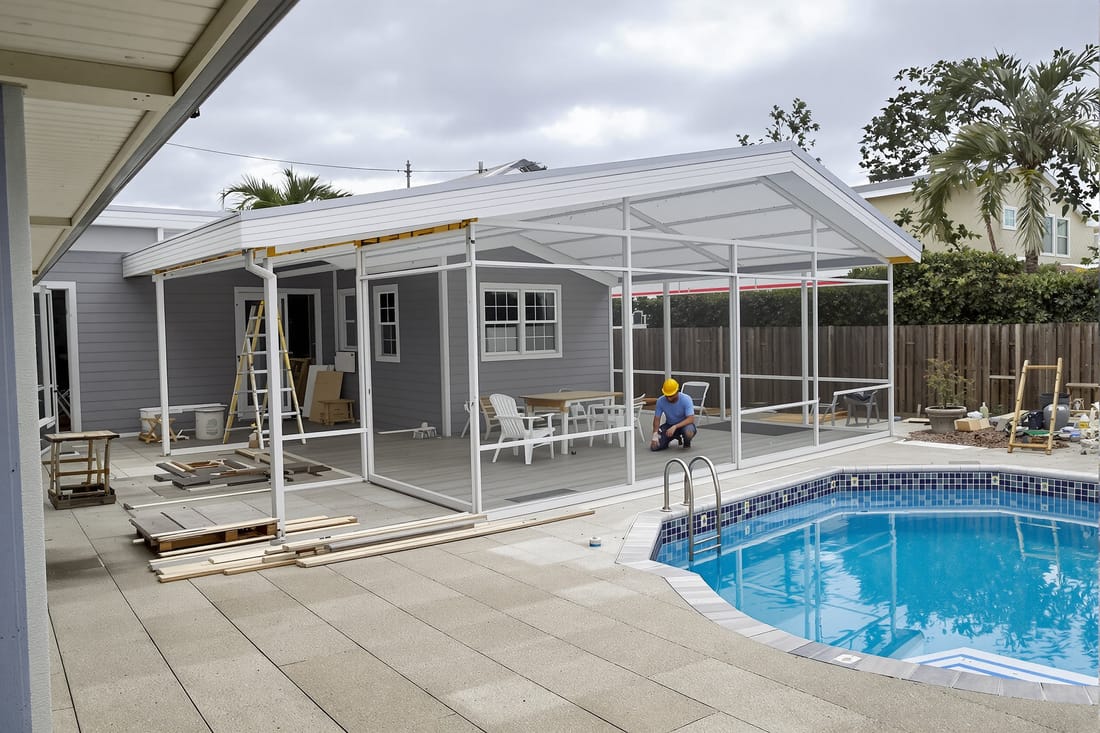
Installation typically begins with layout and foundation or footer work. We mark post locations, core drill or excavate where needed, and install anchors designed for your deck or slab type, whether it is poured concrete, pavers on a slab, or elevated structural decks. Once the base is set, we assemble the aluminum frame, square and brace the structure, then fasten roof beams and trusses according to engineering specs.
After the framing passes initial inspections where required, our crew installs doors, hardware, and screen panels, stretching and fastening each panel to maintain even tension and a clean appearance. We finish with final adjustments, door operation checks, and site cleanup so your staff can reopen the area quickly. On larger properties, we can phase the project so part of the pool remains usable while work progresses on the rest.
Cost factors for a commercial pool enclosure in Miami
The cost of a commercial pool enclosure is driven by more than just square footage. Miami Screening explains the main cost drivers up front so you can budget accurately. Size and height are primary factors, since taller roof systems and wider clear spans require heavier aluminum, larger beams, and more complex engineering. Roof style also matters; a simple gable may be more economical than an elaborate multi section roof that wraps around irregular building lines.
Wind exposure and property location affect cost as well. Oceanfront and rooftop installations typically demand stronger framing, upgraded fasteners, and specially engineered attachment methods, which add to material and labor. Screen material choices influence price too. Impact resistant or heavy duty mesh costs more than standard insect screen, but can pay off in longer life and fewer repairs in busy commercial environments.
Permitting and engineering fees are another component. Projects inside the City of Miami, Miami Beach, or other municipalities may have additional review requirements or impact fees compared to unincorporated areas. Finally, access conditions around your pool affect labor. Tight spaces, limited material staging areas, or the need to protect high end finishes can increase installation time and require additional crew members or equipment.
Maintenance, repairs, and what to expect over time
A well built commercial pool enclosure should last many years in Miami, but it will need periodic attention. Miami Screening offers maintenance and repair services designed around commercial schedules, including early morning or limited shutdown windows. We recommend regular inspections of door closers, latches, and hinges, since commercial pools see far more daily cycles than residential ones. Adjusting or replacing hardware before it fails can prevent gate sagging, security issues, or code violations.
Screens generally last several years, depending on material and exposure. In high traffic properties, we often see localized damage from carts, furniture, or guest activity. Our crews can re screen individual bays, replace damaged kickplates, or upgrade specific areas to more robust mesh without rebuilding the entire enclosure. We also address corrosion spots early, cleaning and treating affected fasteners or trim before they compromise structural components.
Before you hire any contractor for a commercial pool enclosure, ask about experience with Miami Dade permitting, references from similar properties, and how they handle repairs after storms. Miami Screening maintains records of your enclosure design and materials so post storm inspections and repairs are efficient and documented. That documentation can help with insurance claims and with future modifications if you expand or renovate your pool area.