Home › HOA and Multifamily Screen Services
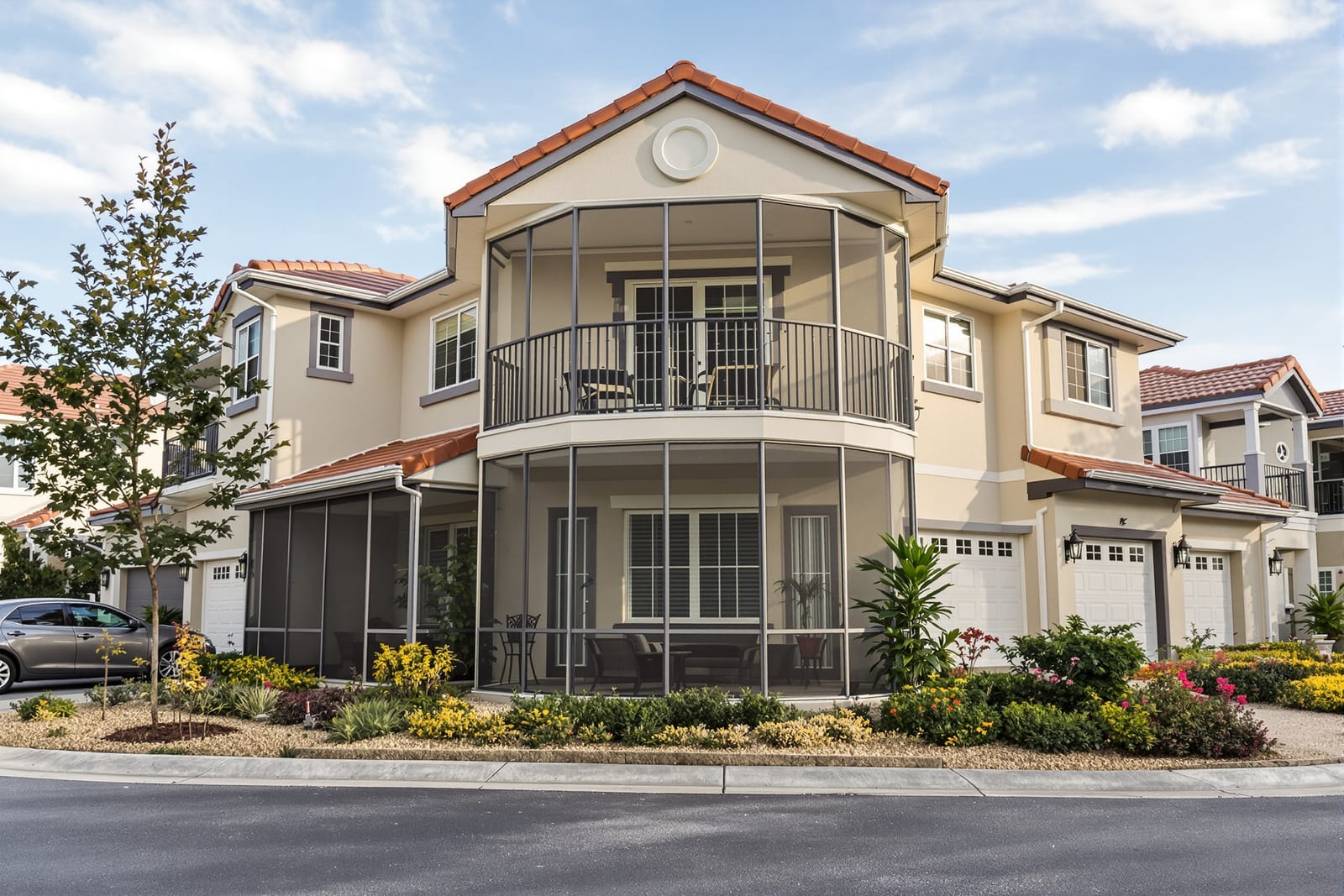
Miami Screening offers specialized HOA and multifamily screen services in Miami, FL for condos, apartments, and gated communities. We handle large scale screen repair, rescreening programs, and ongoing maintenance so managers and boards keep patios, balconies, and pool enclosures safe and attractive across the entire property.
Miami Screening provides professional hoa screen services throughout Miami, FL, Florida and the surrounding area. Our licensed, insured crew delivers safe, clean, on-time work with a free estimate before anything begins. Call (786) 685-4217 or request your free quote.
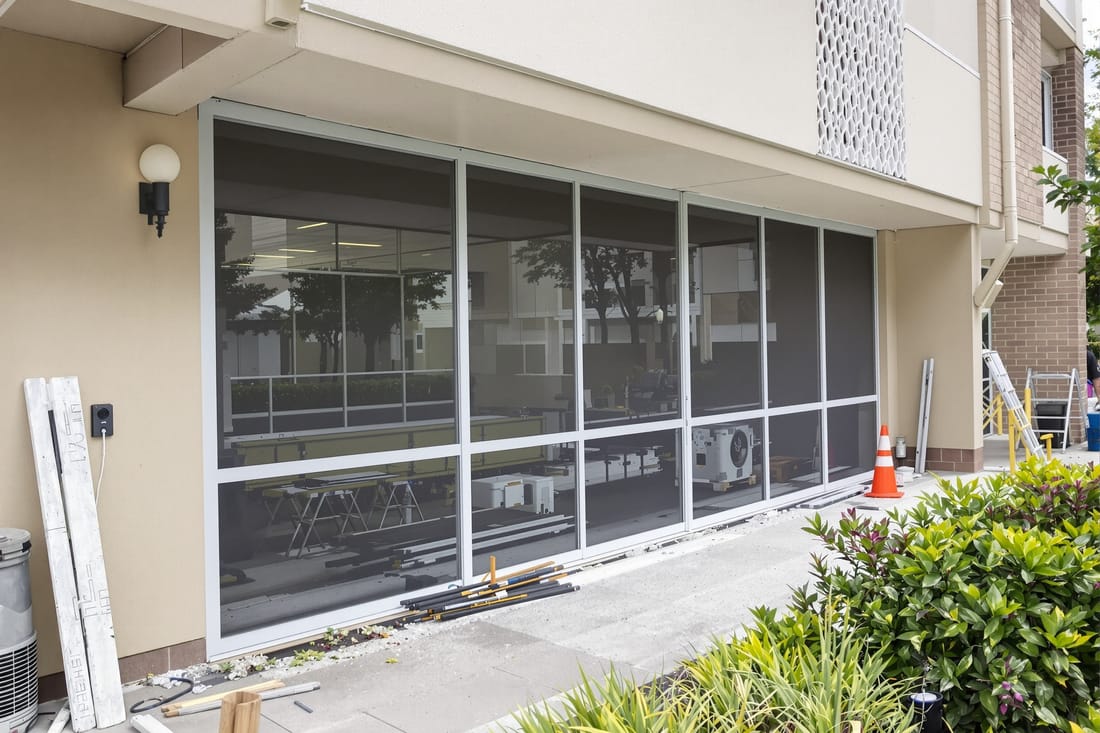
Screen solutions tailored for HOAs and multifamily communities in Miami
Miami Screening focuses on hoa screen services that work for entire communities, not just single homes. We understand that property managers and HOA boards need consistency, clear communication, and work that can be scheduled around residents.
For condo buildings, townhome communities, and garden-style apartments across Miami, we provide coordinated screen repairs, full rescreens, and new screen installations for patios, balconies, pool enclosures, and common areas. We help you set community standards for mesh type, frame color, and hardware so every unit looks uniform from the street and complies with association rules.
Because we are local, we design solutions around coastal humidity, salty air, strong sun, and hurricane-season winds in Miami-Dade County. That means recommending screen materials and framing details that can handle year-round use without constant callbacks or violations.
How our HOA and multifamily screen services process works
For hoa screen services, we start with a property-wide walkthrough. A Miami Screening project lead meets with your property manager or HOA representative to review existing enclosures, note damage patterns, and prioritize buildings or stacks. We document issues with photos so board members who cannot attend still see the conditions.
Next, we provide a written plan that separates urgent safety or water-intrusion issues from cosmetic items. For example, loose balcony screen panels on upper floors or failing fasteners near railings are flagged as first-phase work. We also identify areas where screens are contributing to pests entering units or where torn mesh is affecting the community appearance.
Once the scope is approved, we create a building-by-building schedule. Residents receive notices with specific dates and time windows, plus simple instructions such as clearing patio furniture away from the screen line. Our crews arrive in marked vehicles, check in with onsite staff, and move through units or balconies in a consistent order so your team can track progress easily.
At the end of each workday, we send a quick status update to the manager or board contact. On completion, we do a joint walkthrough of sample buildings, confirm that workmanship matches the approved standard, and provide a summary list of any units we could not access so you can reschedule them.
Material options that stand up to Miami’s climate and HOA standards
HOAs and multifamily properties in Miami need screen materials that look good and last longer in sun, salt, and heavy rain. Miami Screening offers a short list of proven options so community boards are not overwhelmed with choices, but still have control over quality and appearance.
Standard fiberglass insect screen is the most economical and works well for interior courtyards and shaded patios. For coastal-facing elevations or buildings closer to the bay, we often recommend heavier-duty polyester or PVC-coated mesh that resists stretching and tearing under wind load. These options also hold color better under intense UV exposure, which is important when dozens of units line a single elevation.
We can incorporate specialty meshes in community guidelines, such as: (1) pet-resistant mesh for first-floor patios where dogs frequently scratch or lean on panels, (2) privacy mesh with tighter weave for balconies that face public streets, and (3) no-see-um mesh for communities bordering canals or mangroves where smaller insects are a persistent issue.
Frame color and hardware selection is also coordinated. Most HOAs choose white, bronze, or black frames so railings, window frames, and screens match. We specify corrosion-resistant screws and fasteners suited for Miami’s salty air, which reduces rust streaks on stucco and helps maintain a clean facade for longer.
What affects cost for HOA and multifamily screen projects
Pricing hoa screen services for an entire property is different from quoting a single home. Miami Screening structures proposals so boards see exactly what influences cost and where volume savings apply.
Key cost drivers include: total square footage of screen to be replaced or added, number of individual openings (such as balcony bays and patio doors), material grade (standard insect mesh versus heavy-duty or privacy mesh), access difficulty (upper floors, tight courtyards, or units that require interior access), and any framing or structural repairs needed.
For example, a community-wide rescreen that keeps existing aluminum framing in good condition will be significantly more economical than a project where many frames are warped, corroded, or not properly anchored to concrete. If code updates or past storm damage require reinforcing certain enclosures, we clearly separate that line item so you can plan reserves and communicate with owners.
We often propose phased work, where critical buildings or elevations are done first and others follow over one or two budget cycles. This approach helps HOAs avoid special assessments while still addressing the most visible or vulnerable areas quickly. Because crews can work on many similar units in a row, your per-unit cost is usually lower than if each owner hired a contractor individually.
Common screen issues at Miami multifamily properties and how we handle them
Miami’s climate creates repeat patterns of screen damage in condos and multifamily communities. By focusing on hoa screen services, we have tailored solutions to address these patterns efficiently.
Salt air and moisture cause cheap fasteners to rust and stain walls, then panels loosen or rattle in wind. We replace corroded hardware with stainless or coated fasteners designed for coastal conditions, and in many cases add additional attachment points at corners and mid-rails to reduce panel movement.
Strong sun weakens some meshes, especially on south and west-facing elevations, leading to brittle fabric that tears easily. During inspections, we note which elevations are most exposed and often recommend upgrading mesh only on those faces, so the community gets better durability where it is needed without overspending on shaded sides.
In higher-traffic units, such as rentals with frequent move-ins, we see pet damage, cuts from furniture, and impact from children leaning on screens. To reduce repeat service calls, we can install pet-resistant mesh on ground floors and units with known issues, while keeping standard mesh on upper floors. This targeted strategy manages costs but still improves durability where the risk is highest.
We also address water intrusion that can occur when screen frames pull away from walls or when old spline loses tension. Our crews reset loose frames, replace spline, and ensure proper drainage gaps at the bottom of enclosures, which helps keep patios usable during heavy summer storms.
Scheduling, access, and minimizing disruption for residents
Coordinating screen work in an occupied building requires planning. Miami Screening structures hoa screen services to be as predictable and unobtrusive as possible for residents and onsite staff.
We typically recommend scheduling large-scale projects for late fall through early spring in Miami. This timing is outside the core of hurricane season, which reduces weather delays, and temperatures are more comfortable for residents who may need to keep doors or windows closed during work.
Before starting, we provide notices in both English and Spanish if needed, with clear time windows and simple checklists for residents, such as moving plants or grill equipment 3 to 4 feet away from enclosures. For balconies that can be serviced from the exterior, we often avoid entering units entirely, which many residents appreciate.
In properties with reserved parking or tight visitor areas, we coordinate staging so work vehicles and material carts do not block emergency access or main drive lanes. Crews are trained to keep walkways clear, sweep up frame cuttings and old spline, and remove all old screening from the property daily, so the grounds stay tidy throughout the project.
For buildings with quiet hours or restrictions on noise during certain times, we adjust cutting and drilling activities accordingly and can start in non-bedroom areas first so early-morning disturbance is limited.
Compliance, warranties, and long-term support for your community
Miami Screening works with HOA boards, management companies, and building engineers to ensure screen work fits local codes and community documents. For example, when enclosures are attached to concrete slabs or balcony rails, we follow Miami-Dade guidelines for anchoring and corrosion resistance, and we maintain required clearances around emergency egress doors.
If your association has existing architectural guidelines, we review them before proposing mesh types or frame styles. Where standards are outdated or vague, we can help draft a simple screen specification that boards can adopt, covering acceptable colors, mesh categories, and basic construction details. This makes future approvals faster and keeps buildings visually consistent.
All hoa screen services projects include written workmanship warranties, with materials covered per manufacturer guidelines. For larger communities, we often schedule a complimentary follow-up inspection after the first storm season. During this visit, we walk the property, confirm panels are holding tension, check high-wind exposures, and address any warranty items.
Because we are based in Miami, your board does not have to track down an out-of-area contractor if questions come up later. We maintain records of the materials, colors, and profiles used on your project, so future repairs for individual units can match existing work precisely and keep your buildings looking uniform for years.