Home › Screen Installation
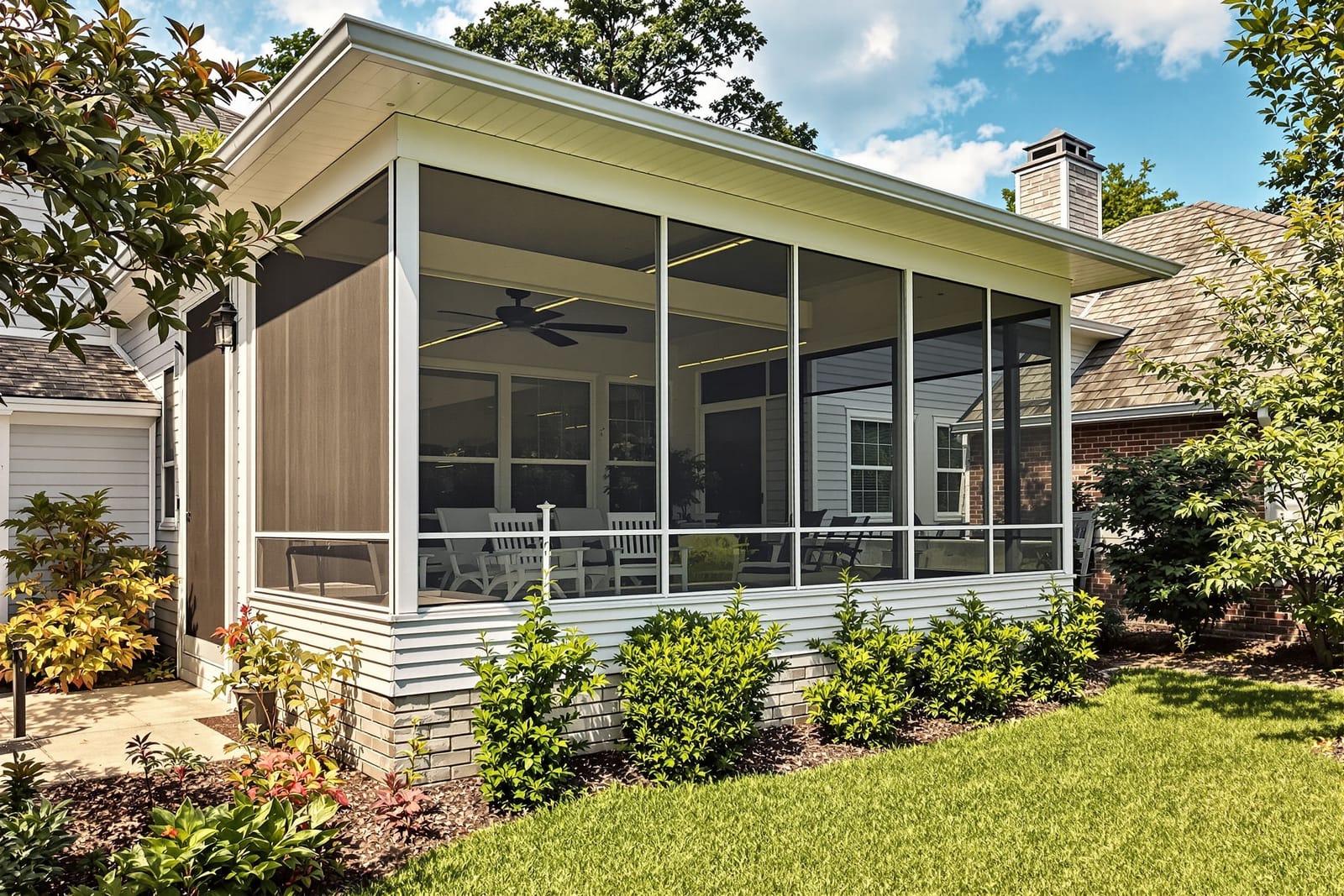
Miami Screening specializes in high quality screen installation in Miami, FL for patios, porches, and lanais. Our team designs and installs durable aluminum screen systems that stand up to coastal weather, bugs, and daily wear so you enjoy your outdoor space year round.
Miami Screening provides professional screen installation throughout Miami, FL, Florida and the surrounding area. Our licensed, insured crew delivers safe, clean, on-time work with a free estimate before anything begins. Call (786) 685-4217 or request your free quote.
Screen Installation in Miami Explained in Plain Terms
Screen installation in Miami is not a one-size-fits-all job. At Miami Screening we start by looking at how you actually use your space and how the coastal environment affects it. A balcony on Brickell facing the bay needs different screen material and attachment methods than a backyard patio in Westchester or a pool enclosure in Kendall.
On the first visit we measure every opening, note structural details like concrete, stucco, aluminum framing, or wood, and check for code or HOA requirements. For condos and townhomes in Miami many buildings restrict frame colors and mesh visibility from the outside. We confirm those rules before any material is ordered so you do not get stuck with something your association rejects. We also look at wind exposure, salt spray, and sun direction since these directly affect how long your screens will last.
From there we walk you through the practical choices: mesh type and color, frame or track systems, and hardware that will hold up in South Florida weather. You get clear pros and cons of each option instead of a generic “good, better, best” pitch. The result is a screen installation that matches your real-world needs: keeping bugs out during mosquito season, handling kids or pets, and surviving Miami’s sun and storms without constant repairs.
How Our Screen Installation Process Works
Miami Screening follows a step-by-step process so you know exactly what will happen at your home.
1) Site inspection and measuring: We inspect the existing structure, measure every opening to the eighth of an inch, and check for damage in existing frames, fasteners, and concrete. Any loose railings, rusted channels, or rotten wood are flagged early so there are no surprises on installation day.
2) Material selection and layout: Based on your budget and goals we help you choose mesh (standard fiberglass, upgraded polyester, or metal in special cases), frame or track systems, and screen door setups. For pool cages and large patios we plan panel breaks to minimize sagging and make future re-screening easier. For balconies and lanais we plan tension points and attachment spacing to keep screens tight in coastal winds.
3) Fabrication: Most jobs are cut and assembled in our shop in Miami, including mitered frame cuts, spline channel prep, and custom door builds. This reduces on-site cutting and limits mess at your property. For large enclosures we may pre-build wall sections that can be quickly joined on-site.
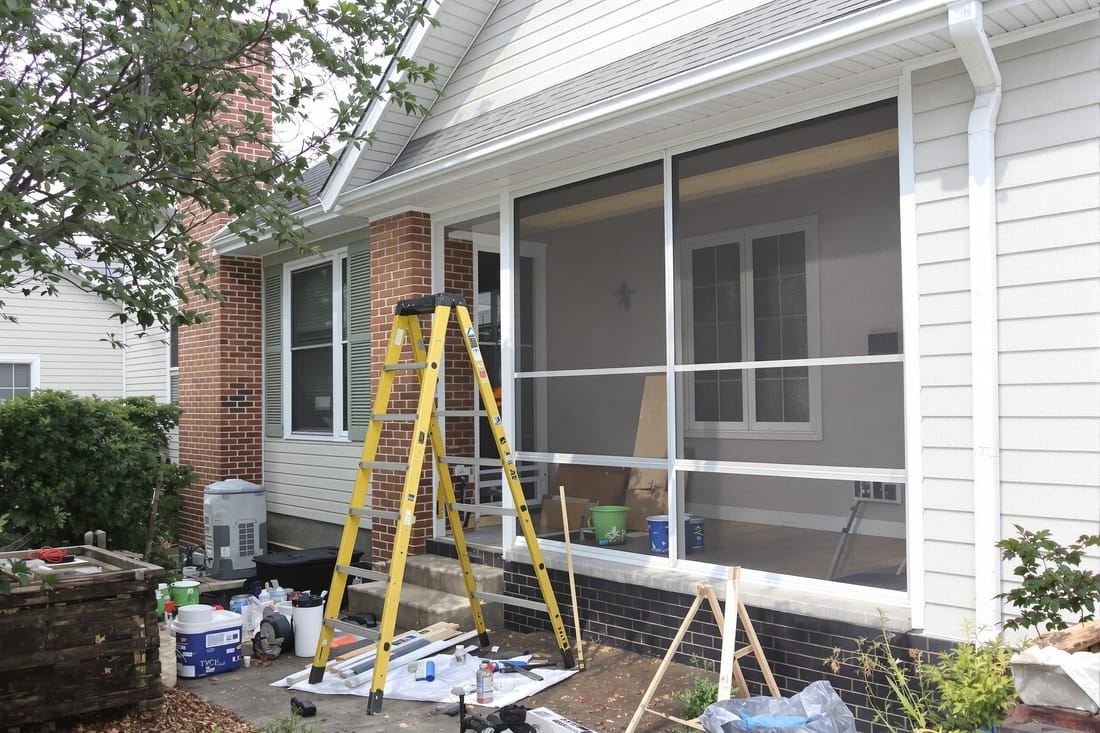
4) Installation: On installation day we remove old mesh and hardware if needed, repair or reinforce the structure, then install new frames or tracks. Screens are rolled into place with spline, tension is adjusted to avoid waves or loose spots, and all fasteners are upgraded to exterior-rated screws that tolerate Miami’s humidity and salt air.
5) Final check and walkthrough: We inspect every panel for proper tension, test doors and latches, verify child safety features around pools, and seal any gaps that could let insects in. You get a walkthrough so you know how to operate any sliding or retractable systems and what to watch for over time.
Screen Materials and Design Choices That Matter in Miami
Material choice affects how your screens look on day one and how they perform after years in South Florida weather. Miami Screening recommends different options depending on where the screens will be and how you use the area.
Standard fiberglass mesh is a cost-effective option for patios and porches that are somewhat protected from direct impact. It keeps out mosquitoes and no-see-ums, which are a major issue in Miami’s wet season, and works fine for many homeowners who do not have pets pushing on the screen.
For pool cages, waterfront homes, and high-use areas we often suggest heavier-duty polyester mesh. It resists tearing, stretches less under tension, and holds up better under strong winds and salt exposure. For pet owners we can use reinforced “pet-resistant” mesh in the lower sections where dogs or cats are likely to lean or scratch. This is thicker and darker, but it saves you from constantly patching claw damage.
Visibility and privacy are another design choice. Darker screens usually offer better outward visibility and less glare from the Miami sun. For units facing neighboring buildings, privacy mesh can be used selectively on lower panels so you get privacy at eye level without blocking your view of the sky. We also pay attention to frame and trim color, especially in condos and townhomes where your HOA may require bronze, white, or a specific shade so the exterior appearance stays uniform.
Common Screen Problems in Miami and How We Prevent Them
Miami’s climate creates very specific screen problems: UV damage from intense sun, mildew from humidity, corrosion from salt air, and storm-related stress. Miami Screening designs and installs screens with these realities in mind so you are not constantly calling for repairs.
UV breakdown is common in cheap mesh that is not rated for intense sun. It becomes brittle and splits with even light contact. We only use mesh that carries UV-resistant ratings suitable for Florida exposure, and for southwest-facing exposures we often recommend upgraded mesh to avoid premature failure.
Salt corrosion is another issue, especially east of I-95 or near Biscayne Bay. Standard steel fasteners rust quickly, stain nearby surfaces, and eventually fail. On those jobs we use stainless or coated exterior screws and hardware that are designed for coastal environments. This small upgrade often doubles the life of the installation hardware.
Humidity and rain create mildew on poorly chosen or improperly tensioned screen. Loose screens collect moisture and debris in pockets, which encourages growth. Our installers stretch and secure screens to consistent tension so water sheds cleanly. We also show you simple cleaning methods with a soft brush and mild soap that are safe for your specific mesh type.
For storm resilience, especially in open pool enclosures and upper-story balconies, we install screens with appropriate attachment spacing and reinforcement where needed. While standard screens are not a substitute for hurricane shutters or impact systems, proper installation can significantly reduce the chance of screens blowing out in typical summer storms.
What Affects Screen Installation Cost in Miami
Customers often ask why two similar-looking screen projects can have very different prices. Miami Screening is transparent about what actually drives cost so you can compare quotes fairly.
The first factor is access. Ground-level patios with open access cost less to work on than 12th-floor balconies in Brickell that require scheduling freight elevators, strict time windows, and building insurance paperwork. Limited access increases labor time, which affects the total.
Second is the condition of your existing structure. If your aluminum frame is straight, secure, and properly anchored to the slab or walls, we can usually re-screen without structural work. If we find twisted members, loose roof panels, cracked concrete anchors, or rotten wood, we will recommend fixing those before installing new mesh. That adds cost, but it prevents you from installing new screens on a failing base.
Third is material level. Standard fiberglass mesh and basic hardware cost less upfront. Upgraded polyester, privacy or pet-resistant mesh, stainless hardware, and custom doors cost more at installation, but often reduce long-term repair costs. For large pool cages we may recommend heavier spline and specific panel layouts that take more labor but reduce future blowouts.
Permits are sometimes required for new enclosures or structural changes in Miami-Dade County, especially if the footprint or height is changing. For simple re-screening most projects do not require a permit, but for new builds or major modifications we factor permitting and engineering into the estimate and explain it clearly before work starts.
Working With Miami Screening From First Call to Final Walkthrough
When you contact Miami Screening for screen installation we start by asking detailed questions about your property and your goals. We want to know about kids, pets, allergies, view preferences, and how you use the space morning and night. This helps us recommend a configuration that fits your life instead of only quoting what is easiest to install.
During the on-site visit you will get measurements, a check of your existing structure, and clear explanations of any issues found. We typically present more than one option, such as standard mesh versus upgraded mesh, and explain what changes between them in both price and expected lifespan. You will receive a written estimate that breaks out materials and labor so there are no vague line items.
Scheduling is handled around typical Miami constraints like condo association rules and building quiet hours. For multi-story buildings we coordinate with management for elevator access and insurance certificates. For single-family homes we work around your schedule and the weather. We do not start a large open enclosure if the forecast makes it likely that your patio or pool area will be exposed overnight.
After installation we walk the property with you, test all doors, check latches and closers, and point out any areas that were structurally repaired. You will get care instructions specific to your mesh and frame type along with guidance on when to consider re-tensioning or re-screening particular sections. Our goal is for you to understand exactly what was installed and how to keep it in good shape in Miami’s climate.