Home › Screen Door Installation and Repair
Miami Screening provides expert screen door installation and repair in Miami, FL for patios, lanais, and porches. We install new hinged and sliding screen doors, replace torn mesh, and adjust tracks and hardware so your doors open smoothly and keep bugs out.
Miami Screening provides professional screen door installation throughout Miami, FL, Florida and the surrounding area. Our licensed, insured crew delivers safe, clean, on-time work with a free estimate before anything begins. Call (786) 685-4217 or request your free quote.
Screen door installation in Miami that fits how you really live
At Miami Screening, we treat screen door installation as part of how your home actually works in Miami’s weather, not just a quick add-on. The first thing we do is look at how you use the doorway itself. Is this your main pool access, a high-traffic front entry, or a side door that mostly catches wind and rain? That tells us a lot about the frame strength, screen material, and hardware we recommend.
For a typical job, we start with precise measurements of the existing opening, including the sill slope and any settlement in the concrete or pavers. Many Miami homes have slightly out-of-square openings from years of movement and humidity. Instead of forcing a standard frame in, we adjust our cuts and use shims so the door closes evenly, latches smoothly, and does not drag on the threshold.
Next, we go over style and material options with you. Most customers choose either a standard aluminum screen door, a heavy-duty patio slider, or a decorative front entry screen door that matches existing trim. We use corrosion-resistant aluminum frames that hold up to salt air and daily thunderstorms. For coastal or waterfront homes, we often upgrade to thicker gauge aluminum and stainless or brass hardware to avoid rust streaks and frozen hinges.
Once the design and hardware are set, we build or assemble the frame and install it plumb and level. We anchor into concrete, block, or wood with fasteners appropriate to each material, then seal around the frame where necessary to prevent water intrusion. After that we install the screen mesh, pulling it to the right tension so it stays tight without warping the frame. We finish with adjusters on the hinges or rollers, then test the door repeatedly to make sure anyone in the family can open and close it without a fight.
Screen material, hardware, and design options for Miami homes
Screen doors in Miami work harder than in most places, so choosing the right materials really matters. At Miami Screening, we walk you through options instead of just dropping in the cheapest roll of screen we can find.
For mesh, most homeowners start with standard fiberglass screen, which is flexible and cost-effective. If you have pets or kids who lean, scratch, or push on the screen, we almost always recommend a heavier pet-resistant mesh, which is thicker and more tear resistant. Around pools or where small insects are a problem, we can install a tighter weave screen that helps keep out no-see-ums while still allowing air movement. For customers with views of the bay or skyline, we can use a high-visibility screen material that reduces glare and makes the mesh less noticeable when you look out.
Hardware selection also affects how long your screen door will feel “new.” We prefer self-closing hinges on most side-hinged screen doors so the door does not stay open and invite mosquitoes in. For coastal or canal-front properties, we often recommend stainless steel or coated hardware that will not corrode in salty air. If you are installing a sliding screen door, we pay attention to roller quality and track design. Cheap rollers tend to bind up in a few months when sand and grit collect in the track, which is common near Miami’s beaches or sandy soils. We use rollers that are height-adjustable, and we can install track covers or low-profile tracks that are easier to keep clean.
On the design side, we can match your screen door to existing color schemes, trim, or HOA requirements. White and bronze are most common, but we can color match to many custom finishes if your community requires a specific look. We also offer mid-rails, kick plates, and decorative patterns in the lower portion of the door, which help with durability if you tend to nudge the door open with your foot or if kids push strollers or bikes through regularly.
How our screen door repair process works
Screen door repair in Miami is often about fixing damage from daily use and tropical weather, not just patching a hole. When you call Miami Screening, we start by asking what is actually going wrong. Is the screen ripped, is the door sagging, does it stick, or does it slam too hard and scare the pets? That helps us bring the right parts and tools so most repairs are done in one visit.
On site, the first step is a full inspection of the door and the surrounding frame. We check the hinges or rollers, latch alignment, the condition of the track, and any corrosion on screws and hardware. Wind and humidity can loosen fasteners, and doors that are used many times a day tend to drop slightly on the latch side. Instead of only re-screening the panel, we often re-square the frame, tighten or replace fasteners, and adjust hinges or rollers so the door moves correctly again.
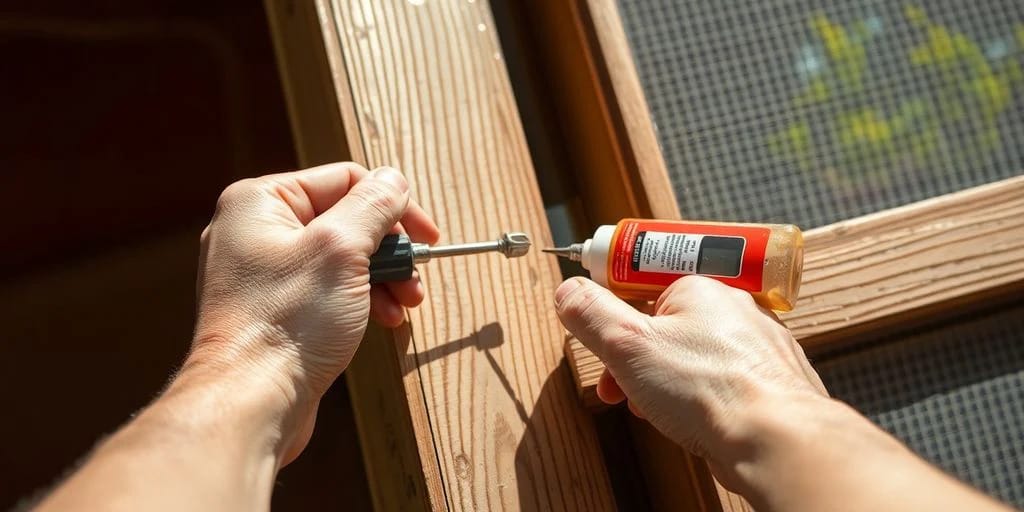
For torn or loose screens, we remove the old spline (the rubber cord that holds the screen in place), pull the old mesh, then cut new screen to fit with a bit of overlap. We set the new screen into the channel and roll in new spline with controlled tension. The trick is to stretch the screen evenly in all directions so it looks tight without bowing the frame. We then trim excess screen and check the door movement to ensure new tension did not bend anything.
If the door will not close or latch, we adjust hinges so the gap between the door and frame is even. On sliding doors, we pull the panel out, clean the track of sand and debris, replace worn rollers if needed, then re-install and fine tune the height so the latch lines up. For doors that slam, we can add or adjust door closers and bumpers so the door closes firmly but not violently, which makes a big difference if you have kids or if the door is near a bedroom.
By the time we are done, you should feel the difference each time you open and close the screen door. It should glide or swing smoothly, latch without a hard push, and keep bugs out even during those heavy afternoon rains when you still want fresh air moving through the house.
What affects the cost of screen door installation and repair
Homeowners often ask why one screen door job costs more than another. At Miami Screening, we are happy to explain the specific things that drive price, so you can decide what actually matters for your home.
For new screen door installation, the biggest factors are the type of door, the material, and the condition of the opening. A simple standard-size hinged screen door in an existing, square opening is usually the most affordable. Costs increase when we need a custom-size frame, when we are installing heavy-duty or decorative doors, or when the opening is out of square and requires extra prep work to get the frame mounted correctly. If we are drilling into concrete or block, we use masonry fasteners, and sometimes that includes patching or leveling minor surface flaws so the frame sits flat and operates properly.
Screen and hardware upgrades also change the final price. Pet-resistant or no-see-um mesh costs more than standard fiberglass but can pay for itself if it avoids repeated repairs. Likewise, stainless steel or high-grade aluminum hardware is more expensive but is usually a good idea in waterfront areas where corrosion is a constant issue. Sliding screen doors with quality rollers and tracks also run higher than basic hinged doors because there are more parts and adjustments involved.
For repair work, price depends on whether we are only replacing mesh or if we need to address frame alignment, hardware failures, or track damage. Re-screening a door where the frame and hardware are in good shape is usually straightforward. When a door has been hit hard by wind, a pet, or a person, the frame may be bent beyond reliable adjustment. In that case, we will tell you when it is not worth trying to save the old door and when replacement will give you better long term value.
The good news is that we provide clear estimates before any work starts, and we are honest when a simple fix is all you need. Our goal is to have you understand exactly what you are paying for, from the specific grade of screen material to the type of hinges or rollers going onto your door.
Local considerations for screen doors in Miami, FL
Living in Miami means your screen doors are exposed to intense sun, wind-driven rain, and salt in the air, especially if you are near Biscayne Bay or the ocean. At Miami Screening, we install and repair screen doors with those local conditions in mind so you are not calling us back every few months for the same issue.
One key consideration is wind. Even though a basic screen door is not a hurricane-impact product, we still look at how it will behave in strong gusts. We can add wind chains, stronger latches, or closers that slow the swing so the door does not get ripped out of your hand. For high-rise balconies or buildings with pressure differences, we may recommend additional latching or upgraded frames so the door stays closed when the wind picks up.
Salt and moisture are another big factor. We select aluminum finishes and hardware that resist corrosion, and we recommend periodic rinsing of tracks and hinges for homes close to the water. For sliding doors near pools or sandy backyards, we advise regular track cleaning and can show you how to do a quick monthly wipe that extends roller life and keeps the door rolling smoothly.
Many Miami neighborhoods and condo associations have rules for exterior appearances. Before we install, we can review any HOA guidelines you share with us about frame colors, door styles, or decorative elements. Since we work all over Miami, from single-family homes in West Kendall to condos in Brickell and townhouses in Doral, we are used to coordinating with property managers or association boards when needed.
We also factor in how you use outdoor spaces in our climate. If you grill on the patio all year or like to leave the main door open for airflow at night, we can suggest screen door setups that maximize ventilation while keeping insects out. That might mean tighter mesh near canals or wetlands, or doors with better seals if you are close to areas with heavier mosquito activity.
All of this local knowledge is built into how we recommend, install, and repair your screen doors. The goal is simple: a screen door that works with Miami’s climate and your everyday routines, not against them.