Home › Lanai Screen Enclosures
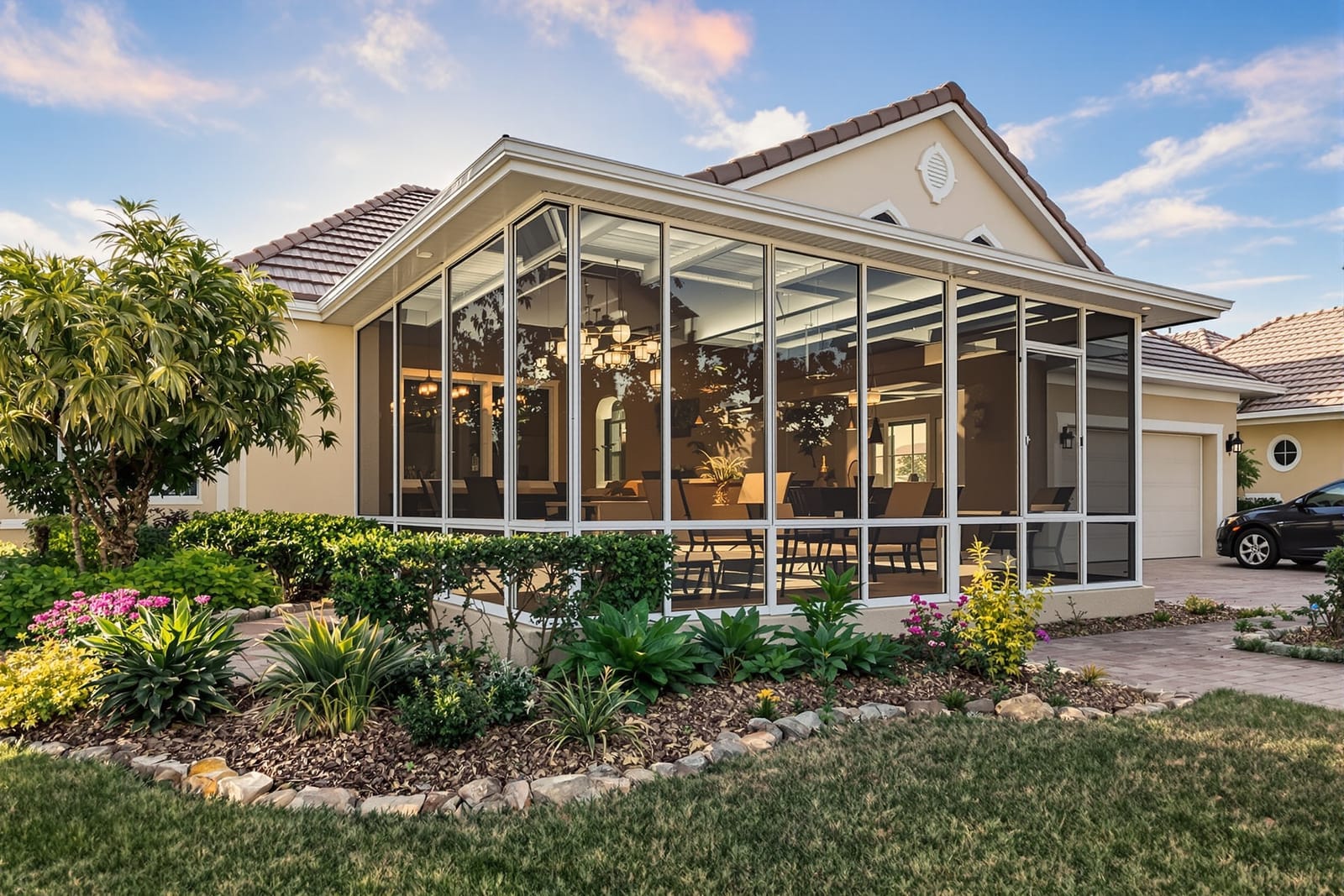
Miami Screening designs and installs custom lanai screen enclosures in Miami, FL that extend your indoor living space outdoors. We create sleek aluminum and screen structures that match your home, adding shade, privacy, and year round protection from insects while keeping your view open.
Miami Screening provides professional lanai screen enclosure throughout Miami, FL, Florida and the surrounding area. Our licensed, insured crew delivers safe, clean, on-time work with a free estimate before anything begins. Call (786) 685-4217 or request your free quote.
Lanai screen enclosures tailored to Miami homes
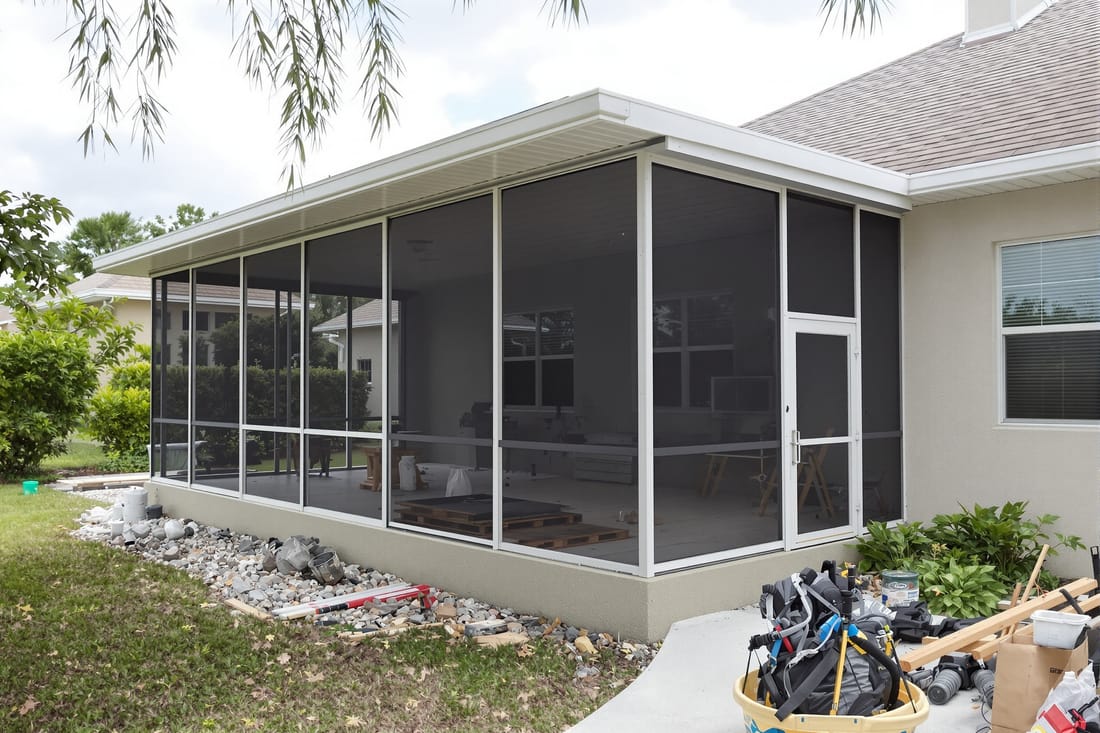
A lanai screen enclosure lets you use your patio or covered outdoor space without bugs, debris, or constant cleanup. At Miami Screening, we focus specifically on how lanai spaces work in Miami, FL, not just a generic “screened porch.” That means planning for salt air, afternoon downpours, hurricane codes, and intense sun.
When we look at your lanai, we first measure the existing roof or patio cover, note how the water drains, and check how close you are to neighbors, fences, and property lines. This helps us determine screen height, door placement, and where we need extra support so your enclosure feels open but still meets Miami-Dade requirements. We also talk about how you actually use the space, for example morning coffee, kids’ play area, or evening gatherings, then design the enclosure so traffic flow and furniture placement make sense.
Every lanai is different. Condos near Brickell or Edgewater often need tighter structural layouts and condo association approvals, while single family homes in Kendall or Westchester usually allow larger spans and more flexibility in door locations. Miami Screening designs each lanai screen enclosure so it looks like it has always been part of the home, instead of a bolt-on box.
Our process from on-site evaluation to final inspection
A lanai screen enclosure should fit your home and local rules. Our process starts with a free on-site evaluation. We confirm your property location in Miami, FL, check your zoning and setback limitations, and review any HOA or condo rules about enclosure color, height, and style. Bringing those requirements in early prevents surprise delays later.
Next, we create a simple layout with exact dimensions of the lanai, locations of doors, and panel sizes. At this stage we decide if we can use your existing patio cover structure or if we need to add aluminum beams or posts for support. For larger lanais or waterfront homes, we often recommend additional bracing to handle higher wind exposure.
Once you approve the layout and materials, Miami Screening manages any necessary permits with the city or county when required. We then schedule the work around Miami’s weather patterns. In our area, early winter and spring are usually the most predictable for installation, while late summer and early fall can see frequent storms. We time concrete work, anchor installation, and screening so your project is not repeatedly delayed by rain.
On install day, our crew protects nearby surfaces, sets up workstations for cutting aluminum, and removes any old frames or screens. We assemble the frame, secure it to the slab, walls, and roof structure, then add doors, hardware, and screen panels. Before we leave, we check that doors close correctly, screens are tight and smooth, and drainage areas are clear. If a permit inspection is required, we meet the inspector and address any comments on the spot whenever possible.
Material choices that stand up to Miami weather
A lanai screen enclosure lives outdoors 24/7, so materials matter. Miami Screening uses aluminum framing specifically rated for high humidity and coastal conditions in South Florida. Within that, you can choose frame colors that complement your home, typically white or bronze. White reflects more heat and suits many stucco homes, while bronze often blends better with modern or Mediterranean styles.
Screen mesh selection is one of the most important decisions. Standard fiberglass insect screen is cost effective and works for many inland homes. For Miami waterfront or very windy locations, we often recommend polyester or heavier duty screen material that resists tearing and stretching. If you want to reduce glare and some heat, solar or privacy screens can be used on certain walls to block afternoon sun, especially on west facing lanais.
Hardware and fasteners are another key factor in Miami. We use corrosion resistant screws and anchors designed for salty air so the enclosure stays secure and does not stain your slab or pavers with rust. For homes closer to the bay or ocean, we may upgrade to stainless or specially coated fasteners.
We also talk through door options. A basic hinged screen door works for most lanais, but if you move grills, storage bins, or large furniture in and out, we can use wider doors or double doors. All doors we install include appropriate closers and latches that stand up to daily use and frequent summer storms.
Design details that make your lanai more livable
A well planned lanai screen enclosure is more than a bug barrier. Small design choices dramatically change how comfortable the space feels in Miami’s heat and humidity. At Miami Screening, we look at wind direction, sun path, and how rain hits your patio before locking in the design.
For airflow, we usually recommend larger screen sections on the sides that face the prevailing breeze. In many Miami neighborhoods, this means opening up the east or southeast side to capture morning winds while using slightly smaller panels or partial privacy screens on the west side where the afternoon sun is strongest.
If your lanai connects directly to a pool, we make sure gate hardware and door swings comply with local safety expectations so doors are not easily left propped open by kids. For pet owners, we can add pet resistant screening near the bottom or a small pet door where allowed by code and your comfort level.
Lighting and visibility are also important. If you enjoy evenings outside, we consider how your existing or planned lighting will shine through the screens and where structural members may cast shadows. We do our best to align verticals and horizontals so your view of the yard or water is as open as possible when you are seated in your favorite spot.
Cost factors for lanai screen enclosures in Miami, FL
The cost of a lanai screen enclosure in Miami, FL varies based on several specific factors, not just square footage. During your estimate, Miami Screening breaks these items out so you understand exactly where your money is going.
Size and height are primary cost drivers. Taller enclosures and wider spans require more aluminum, more complex bracing, and often heavier duty screen materials. Complex shapes or cutouts around columns, railings, or stairways also add time and material.
The condition of your existing slab or patio surface matters. If the concrete is cracked, sloped incorrectly, or too small, we may recommend minor concrete work, additional anchors, or a modified footprint to ensure the frame has a solid, long lasting base. This kind of preparation can prevent problems later, like doors sticking or panels loosening.
Material upgrades affect cost too. Specialty screens, stronger hurricane rated framing, or privacy panels cost more up front but can reduce future repairs or replacements, especially in windy or coastal parts of Miami. We always explain the pros, cons, and cost differences so you can choose what fits your budget and risk tolerance.
Finally, permitting and access influence pricing. Enclosures that require full engineering and permits will involve plan preparation and inspection fees. Tight access, such as second floor lanais or narrow side yards in older Miami neighborhoods, may require more labor to move materials and equipment safely.
Common Miami lanai issues and how we fix them
Lanai screen enclosures in Miami face tough conditions: constant sun, salt in the air, and sudden storms. Over time, that can lead to sagging screens, loose doors, corroded fasteners, and even frame movement if the original installation was not done correctly. Miami Screening spends a significant part of our time repairing and upgrading existing enclosures, so we know the patterns.
Sagging or loose screens usually come from poor initial tensioning, low quality mesh, or frames that flex too much in the wind. When we install or rescreen, we tension panels correctly and use spline sizes that are appropriate for local load conditions so screens stay tight longer. If your existing frame is too flimsy, we can add bracing or recommend partial frame replacement.
Door problems, such as scraping, slamming, or not latching, are very common. Heat and moisture can cause slight shifts in the frame or slab. We adjust hinges, replace worn closers, and in some cases, re-square the opening. When installing new lanai screen enclosures, we place doors where the concrete is most stable and use hardware designed for frequent use in humid conditions.
Corrosion and staining are other Miami specific issues. Old enclosures often used hardware that was not intended for coastal climates. We remove rusted fasteners, clean or treat affected areas, and replace them with corrosion resistant options. In new projects, we plan for regular rinsing and drainage so salt and debris do not sit on the frame or base for long periods.
If your existing lanai enclosure was added without proper consideration of local wind loads, you might see wobbling during storms or hear creaking noises. In those cases, we evaluate all attachment points, add anchors where possible, and sometimes install additional beams to stabilize the structure so it feels secure when the weather turns rough.
When to schedule and what to expect from Miami Screening
Miami’s climate affects both how and when lanai screen enclosures are installed. Heavy afternoon rains in summer and fall can slow down exterior work. Whenever possible, we encourage homeowners to schedule new enclosures or major rebuilds in the cooler, drier months from late fall through early spring. That timing usually means fewer weather delays and more comfortable conditions for your family while work is in progress.
That said, life does not always line up with ideal seasons. Miami Screening works year round in Miami, FL, and we plan our schedules with weather flexibility. For example, we often plan demolition or noisy cutting in the morning and reserve quieter tasks such as spline work for afternoons when storms are more likely.
From day one, you can expect clear communication. We confirm appointment windows, let you know what areas we will need access to, and explain how long your lanai will be out of service. For most average sized lanai screen enclosures that do not require major structural changes, installation is typically completed in one to three days once materials are on site.
After the enclosure is finished, we walk you through basic care: how to gently clean screens, what signs of wear to watch for in Miami’s climate, and when it might be time to call us for a simple rescreen or adjustment. Our goal is that your lanai feels like an effortless extension of your living space, not another item on your maintenance list.