Home › Patio Screening Installation
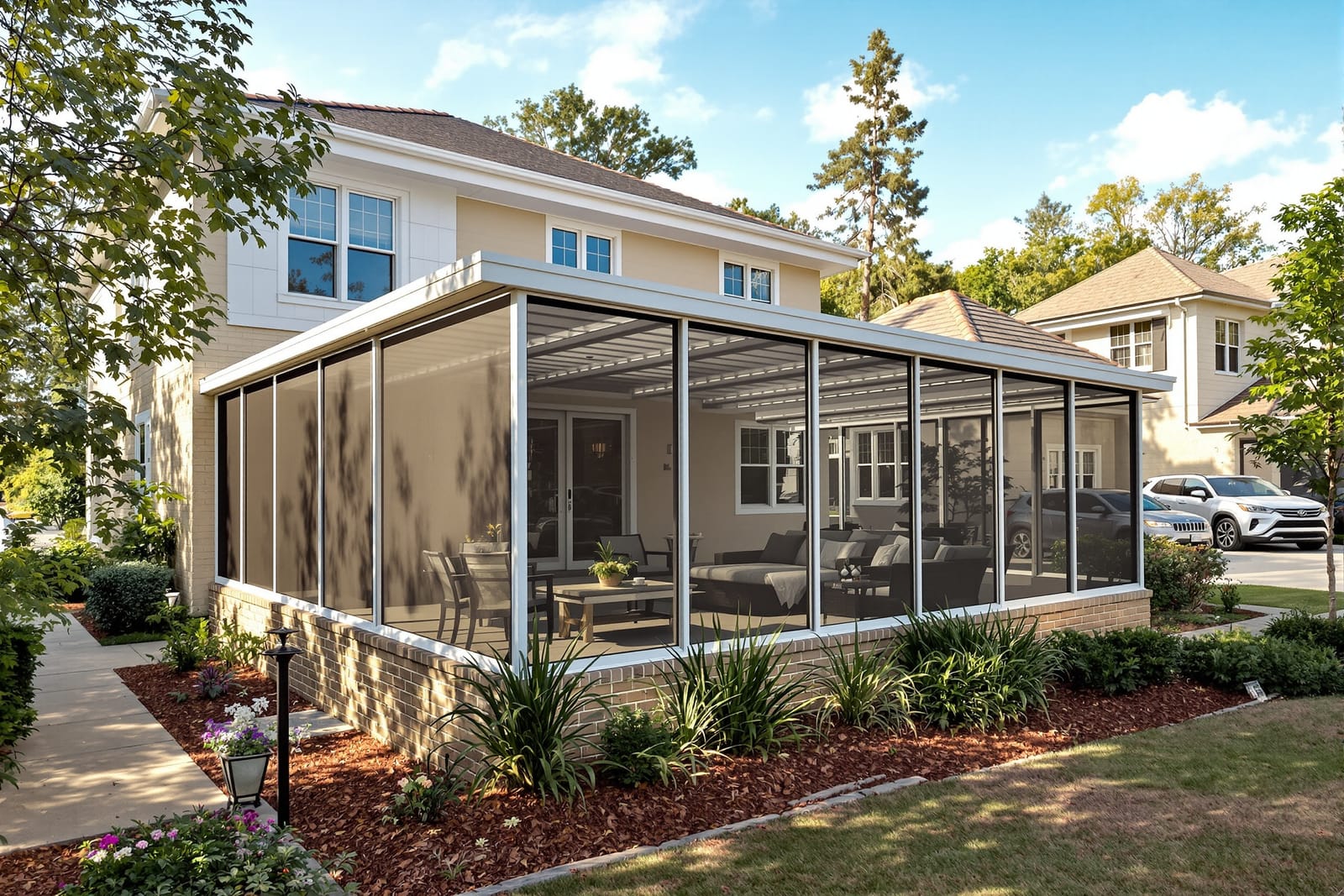
Miami Screening provides custom patio screening installation in Miami, FL, turning open slabs and covered patios into comfortable screened living areas. We build aluminum framed enclosures that fit your home style so you can relax, dine, and entertain outside without mosquitoes and debris.
Miami Screening provides professional patio screening throughout Miami, FL, Florida and the surrounding area. Our licensed, insured crew delivers safe, clean, on-time work with a free estimate before anything begins. Call (786) 685-4217 or request your free quote.
Patio screening that actually works in Miami weather
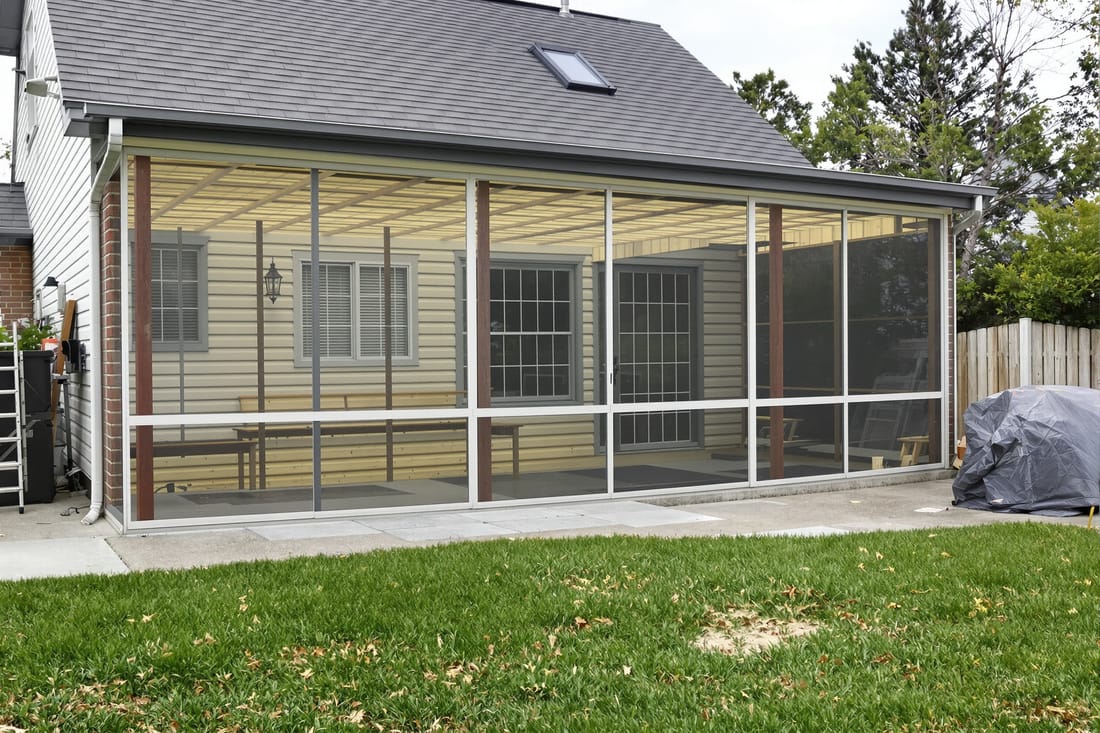
Patio screening in Miami is not about looks first. It is about building a barrier that stands up to salt air, sudden storms, and insects that never really go away. At Miami Screening, we install patio screening systems that are sized, framed, and fastened for our specific South Florida conditions, not a generic kit pulled off a shelf.
Before we touch a tool, we measure your patio footprint, ceiling height, and how wind moves through your yard. A patio in an 8th floor Brickell condo needs different anchoring and screen tension than a ground level patio in West Kendall that gets afternoon thunderstorms straight from the Everglades. We also check how close you are to the coast, since salt exposure affects what fasteners and frame finishes we recommend.
Every installation plan is built around three things: how you use the space, how much airflow and privacy you want, and how much maintenance you are willing to do. Some homeowners want a fully enclosed outdoor room they can use year round. Others just want bug control while keeping the patio as open as possible. Our patio screening recommendations change based on those priorities, instead of forcing a one size fits all layout.
How the patio screening installation process works
Our process is straightforward, and we explain each step so you know what is happening on your property.
1. Site evaluation and measurement. We confirm existing structures are suitable for attachment, check the condition of concrete slabs, pavers, or decks, note any slope for drainage, and look for conflicts with sprinkler heads or existing lighting.
2. Layout and design confirmation. We mark post locations and door swing directions with you present. For patios that will tie into an existing roof or overhang, we determine exactly where to mount the header track so that water still sheds correctly and the screen does not trap moisture.
3. Structural framing. We install aluminum posts, headers, and kick plates using concrete anchors or structural screws rated for Miami-Dade conditions. On older homes with weaker slab edges, we may add additional footers or spread the load across more anchor points to avoid cracking.
4. Screen panel installation. We roll screen material into the frame using spline that is sized for both the groove and the fabric. Proper spline tension is critical in Miami, since sun and heat relax the material over time. We pull panels tighter in sun-exposed orientations and slightly looser in full shade, so they age more evenly.
5. Door and hardware setup. We install aluminum screen doors with adjustable hydraulic closers, stainless hinges, and strike plates that can be fine tuned. On coastal properties we upgrade to higher grade stainless to avoid tea staining and sticking.
6. Sealing and pest control details. We close gaps at slab edges, column transitions, and low corners using screen sweeps, bug sweep at door thresholds, and small custom cut panels. This is where many installers rush, but in Miami a 1/4 inch gap can turn into a trail of ants overnight.
7. Final walkthrough and care instructions. We show you how to operate doors, what to look for after a storm, and how to hose down the screen properly to prevent mold in our humid climate.
Screen and frame options that make sense for Miami
Not every screen material survives equally well in South Florida. At Miami Screening, we focus on options that balance durability, visibility, and airflow under high UV and humidity.
Standard fiberglass insect screen is the entry point. It is cost effective and works for basic bug control, but in Miami sun it can fade or sag sooner than higher grade options. We usually recommend it only for shaded patios and budget driven projects.
Polyester or PVC coated polyester screen is stronger and more UV stable. It holds tension better, which matters when your patio faces south or west and bakes all afternoon. It is also more resistant to the occasional impact from kids, pets, or patio furniture.
For customers near mangroves, canals, or heavy mosquito zones, we install tighter weave screens that block smaller insects. These reduce airflow a bit, so we design more vent area and sometimes use larger panels to make sure a night breeze can still move through the space.
If you want a cleaner backyard view, we can use high visibility screens that use thinner, darker fibers. In bright Miami light these largely disappear when you look out, but still stop insects. For homeowners interested in added daytime privacy on tight lots, we can use slightly darker or privacy oriented weaves that blur views in from the street.
Frame color and finish also matter. Standard white works with many stucco homes, but darker bronze or black can visually recede and make the screen less noticeable from inside. Closer to the bay, we specify higher grade powder coat and upgraded stainless fasteners to fight corrosion from salt air.
Cost factors and common problems we prevent
Patio screening cost in Miami is driven by more than just square footage. When we quote a project, we explain what is pushing the number up or down so you can make smart tradeoffs.
Key cost drivers include: patio size and height, material choice, door quantity, condition of the slab or deck, and whether we are tying into an existing roof structure. Tall enclosures or unusual roof connections can require heavier gauge framing and more labor. Upgrading from standard fiberglass screen to high visibility or heavy duty mesh raises material costs but usually pays off in longevity.
Existing patio conditions also matter. A cracked or badly pitched concrete slab may need localized repair or creative flashing details to seal the screen perimeter properly. If we skip this step, water can pool at the screen base, invite algae growth, and stain frames. We deal with these issues up front with you, instead of hiding them in fine print.
We design installs to avoid problems that are common in this area. For example, sagging screen panels after a couple of summers usually mean the installer under tensioned the material or used the wrong spline diameter. Corroded screws near the beach mean the wrong metal mix was used. Water intruding at the top connection often traces back to mounting into rotten fascia instead of sound wood.
Miami Screening tackles these by using stainless or coated fasteners suited to your distance from the coast, checking wood conditions before attachment, and setting panel tension based on orientation and sun exposure. We also avoid oversized unsupported spans that flex under wind, which is common in hurricane season and leads to premature stretching and tearing.
Timing, permitting, and weather considerations in Miami
In Miami, patio screening work has to account for real weather and local rules, not just a nice design sketch. We schedule, build, and detail projects so they can pass inspection where required and handle our storm cycles.
On many standard single story patios, screening can be completed in one to three days once materials are on site. Complex enclosures, multi story townhomes, or projects that require structural engineering or building permits can take longer. When your project falls into the permitting category, we handle drawings related to the screen enclosure and coordinate with the local building department or advise your contractor if part of a larger renovation.
Weather timing is also important. During peak rainy season, we plan installation sequences so exposed fastener holes are sealed the same day and cut materials are not sitting in standing water. If a strong system is forecast, we may shift start dates rather than leaving your patio half enclosed and vulnerable to wind gusts.
For homeowners, the main preparation is clearing the patio of furniture, potted plants, and wall decor where we will work. We protect existing finishes, but having open access speeds the process and reduces the risk of damage. After installation, we recommend a simple inspection routine after major storms, looking for loose spline, stretched panels, or hardware that needs adjustment. Addressing these minor issues quickly usually avoids larger repairs later.
Why Miami Screening is a good fit for your patio project
Most of our patio screening work comes from homeowners who are tired of bugs, debris, or neighbors looking straight into their outdoor space, and who do not want to redo the job after the first summer. Miami Screening focuses on building screens that match that expectation.
We are local, so we design for Miami wind, salt, and sun, not for a milder climate. That shows up in small details like where we place horizontal rails so kids and pets are less likely to push directly on fabric, and in how we seal the bottom edge so mulch, leaves, and iguanas do not slip under the frame.
We do not lock you into a single layout. If you grill on the patio, we plan venting and clearances so smoke escapes without staining the screen or creating a hot spot that weakens fabric. If you plan to add a ceiling fan or outdoor TV later, we can align posts and header heights to give your electrician clean mounting points.
When you call for an estimate, we walk the space, explain tradeoffs in plain language, and send a written scope that spells out materials, fastener types, door locations, and any slab or fascia work included. That way you can compare us to other quotes on equal terms and know what you are actually paying for.
If you want a patio that feels like part of your home instead of a bug filled transition zone, Miami Screening can design and install a patio screening solution built for our part of Florida, not just for a brochure photo.